


Carnevali Starts Work as Juventus CEO With One Immediate Priority
Carnevali Starts as Juventus CEO With One Key Priority
 Marco Ferraro
Updated on 15 June 2026
Marco Ferraro
Updated on 15 June 2026


Giovanni Carnevali officially began his tenure as Juventus CEO on Monday, June 15, 2026, and his first order of business is not a transfer target or a press conference – it is a meeting with the club’s accounting team. The objective is straightforward and urgent: to establish a precise picture of Juventus’s current UEFA settlement agreement and determine exactly how much financial room the club has to operate with this summer.
The timing matters enormously. Juventus failed to qualify for the 2026-27 Champions League, stripping the club of the revenue that underpins modern Serie A budgeting at the highest level. Carnevali inherits a financial structure already under external constraint, and the window for corrective action is narrow.
Carnevali’s Appointment: The Background
Carnevali arrives in Turin after 12 years as CEO of Sassuolo, during which he built one of the most admired player development and trading operations in Serie A. His Sassuolo tenure produced substantial capital gains through the structured sale of talents including Domenico Berardi, Manuel Locatelli, Gianluca Scamacca, Davide Frattesi, and Giacomo Raspadori – a model that Italian media have consistently cited as a blueprint for sustainable club management. La Gazzetta dello Sport has framed the appointment as Juventus betting on the Sassuolo model of smart scouting and resale profit rather than marquee spending, describing Carnevali as one of the most skilled negotiators in Italian football.
He replaces Damien Comolli, who departed after a single year in charge – reportedly with a severance package of approximately €850,000 – as Juventus pivoted sharply away from Comolli’s data-driven, Anglo-influenced approach toward a CEO with deep roots in Serie A governance. Carnevali has signed a contract running until June 30, 2029, carrying the dual designation of Amministratore Delegato and Direttore Generale, giving him broad oversight of both corporate operations and football decisions.
The UEFA Settlement & Transfer Budget: What Is at Stake
The UEFA settlement agreement is the central variable governing everything Juventus can do this summer. Until Carnevali’s team has mapped its precise terms, no transfer strategy can be finalised – not the incoming business, not the outgoing decisions, and not the wage commitments attached to squad retention. The Champions League absence compounds the pressure directly: the revenue differential between participating and non-participating seasons runs into tens of millions of euros, and UEFA’s cost-control framework means that gap cannot simply be absorbed without consequences for the transfer balance sheet.
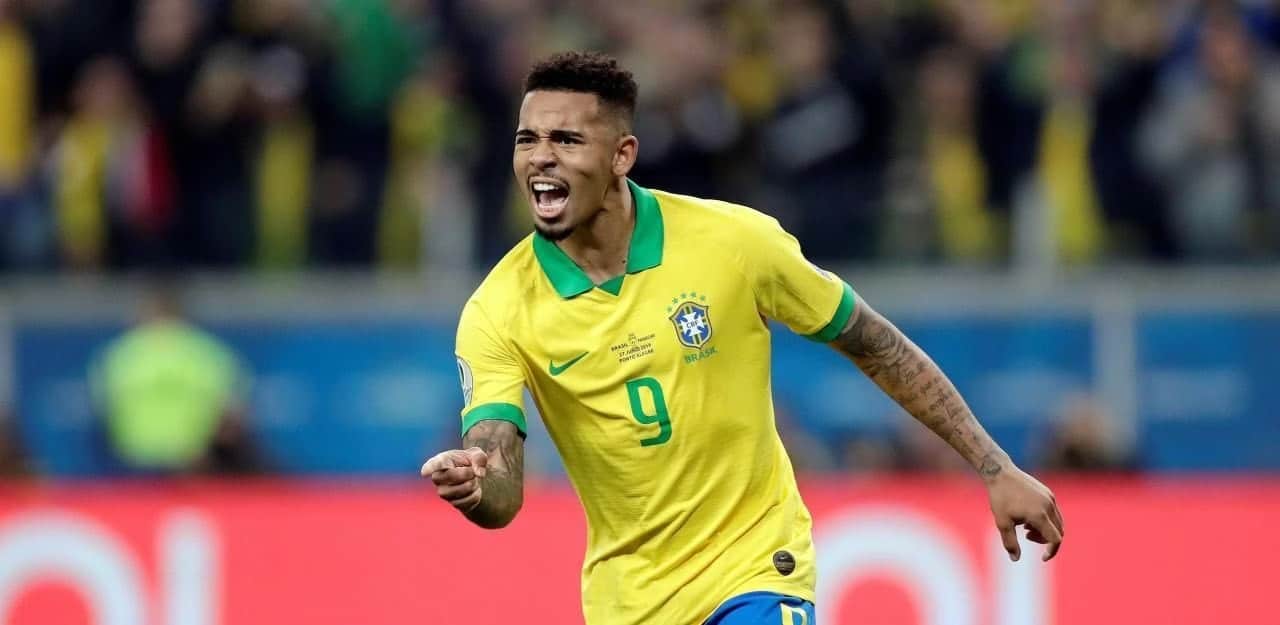
The most significant figure in the immediate calculus is Gleison Bremer, whose contract contains a €58 million release clause. Tuttosport reports that Carnevali is studying all available options and that retaining the Brazilian defender remains a possibility, but the release clause’s existence makes Bremer the most liquid asset Juventus hold if a rapid capital injection becomes necessary. If Carnevali determines that the settlement terms require a major sale, Bremer’s clause provides a defined, executable exit route at a predictable price – which in a constrained budget environment is precisely the kind of certainty clubs need.
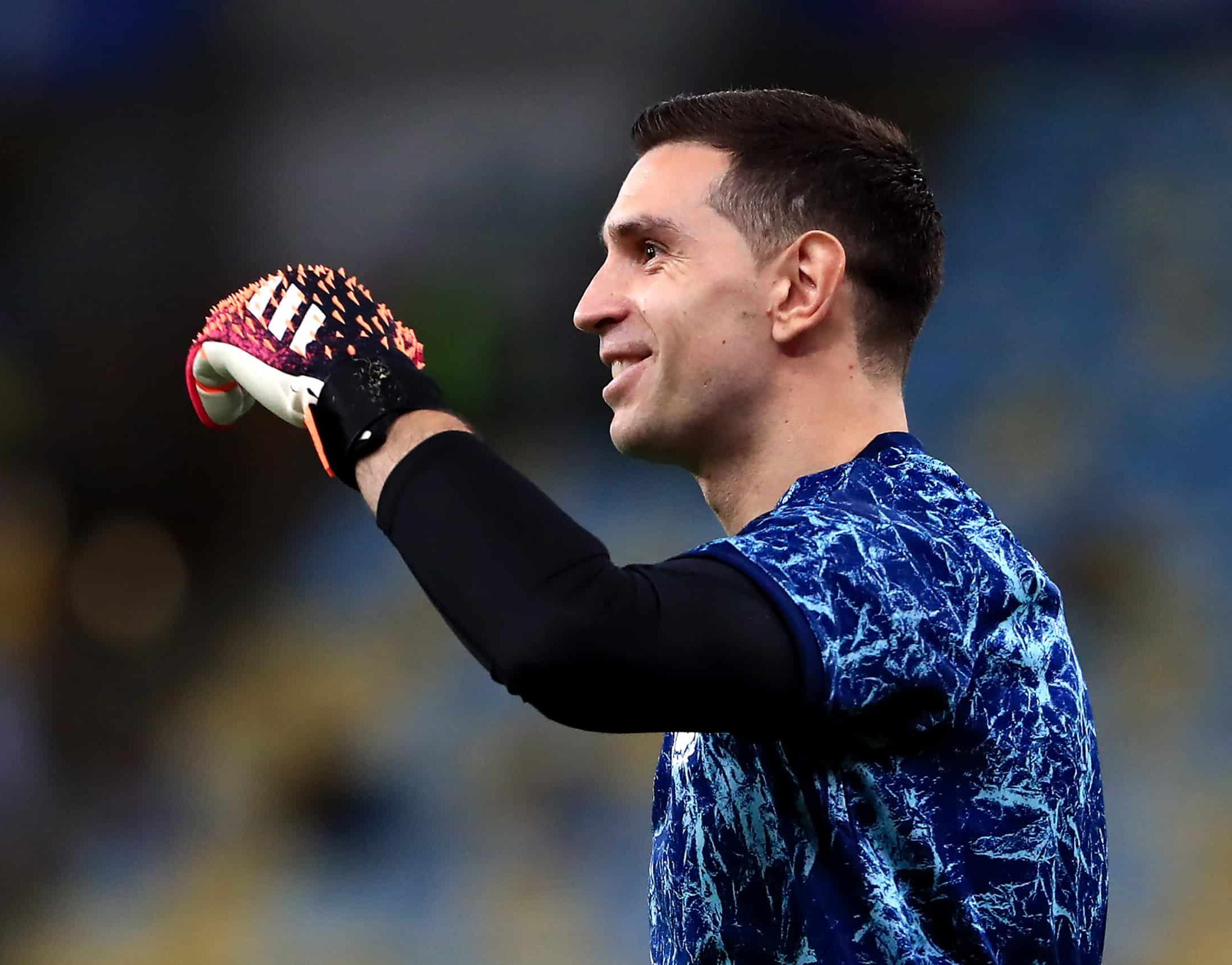
On the incoming side, Dusan Vlahovic‘s contract situation carries its own financial logic. Head coach Luciano Spalletti has requested that Carnevali reignite renegotiation talks with the Serbian striker, and the reasoning is practical: retaining Vlahovic on a restructured deal is considerably cheaper than entering the market for one or potentially two centre-forwards. Talks with Atletico Madrid’s Alexander Sorloth and Aston Villa goalkeeper Emiliano Martinez are already underway, but the pace and ambition of both pursuits will depend entirely on what the accounting review reveals.
What Carnevali Faces in the Coming Weeks
Beyond the immediate financial audit, Carnevali is expected to assess the club’s scouting and recruitment structure, with Italian media speculating that he will look to replicate elements of the Sassuolo network he built over the past decade. His standing within Lega Serie A – built through years of committee work and mediation between mid-table clubs and the league over television rights and financial regulation – may also prove relevant as Juventus seek to reassert political weight in domestic governance debates following a turbulent few years. The first transfer window under his control will be the clearest test of whether Juventus adopt a disciplined, development-focused strategy or retain the appetite for occasional marquee investment that the club’s history demands.
Marco Ferraro
Marco Ferro is an Italian sports journalist and lead writer for FootItalia, specializing in the intricate dynamics of Serie A and the Italian national team. Known for his tactical analysis and deep understanding of the peninsula's footballing culture, Ferro provides expert coverage of Italy's biggest clubs, from the tactical shifts at Juventus to the intense rivalries of the Derby d’Italia.
Our unbiased editorial policy
Despite ongoing collaborations with commercial affiliates, the details, information, and reviews we provide remain honest and unbiased. We keep this in check by implementing a stringent editorial policy.
Our policy implements strict editorial standards, ensuring the integrity and trustworthiness of our articles, news, and reviews. Only the highest-quality content reaches our pages. We achieve this through conducting thorough research on each topic, conveyed to you using unbiased reporting, to ensure we earn your trust and keep it.