


Why Roma’s Lack of Goals Isn’t Totally Unsustainable
A stinging defeat in Cagliari will feel like a missed opportunity to consolidate Champions League ambitions, but Roma’s chance creation - or lack thereof - remains a divisive topic.
 Charlie Rhodes
Updated on 08 December 2025
Charlie Rhodes
Updated on 08 December 2025


It wasn’t until the 82nd minute that 10-men Roma were breached, but a 1-0 defeat on matchday 14 has pushed their lofty title aspirations that little but further out of reach.
Roma’s tally of eight goals conceded means they remain Europe’s preeminent defensive unit, but question marks around their ability to score continue to weigh heavy.
This, of course, was not helped by Mehmet Zeki Celik’s dismissal less than 10 minutes into the second-half against Cagliari, but the fact remains it was the third time in four matches they managed three shots on target or less.
Sir Alex Ferguson’s iconic mantra, “attack wins you games, defense wins you titles” has been shown to be true in years gone by, but can Roma continue to rely entirely on having a strong backline?
Why Roma Are Struggling For Goals
Roma’s worrying inefficiency in front goal has cost them points in pivotal early-season title deciders – not least against both Milan teams, where they racked up 35 shots across the two games, only to slump to 1-0 defeats in each.
Goals have been few and far between, with Roma the lowest scorers in Serie A’s top half having managed just 15 goals in 14 games.
At their current rate, they would end the season with a mere 39 goals; a haul only six teams failed to achieve last term.
When Gian Piero Gasperini took over the hot seat in the summer, he arrived with a reputation for having transformed Atalanta into a high-pressing machine, underpinned by structured chaos, positional fluidity, and above all else, goals. It is one of the reasons why Roma were instantly in Serie A’s title conversation prior to the start of the season, in which they remain firmly anchored.
Gasperini’s ‘attack is the best form of defense’ philosophy has long been daring, swimming against the defensive discipline and tactical rigidity that has characterised Italian football for decades.
So, fast-forward to his arrival in the capital – what is it that makes his Roma side so blunted in attack?
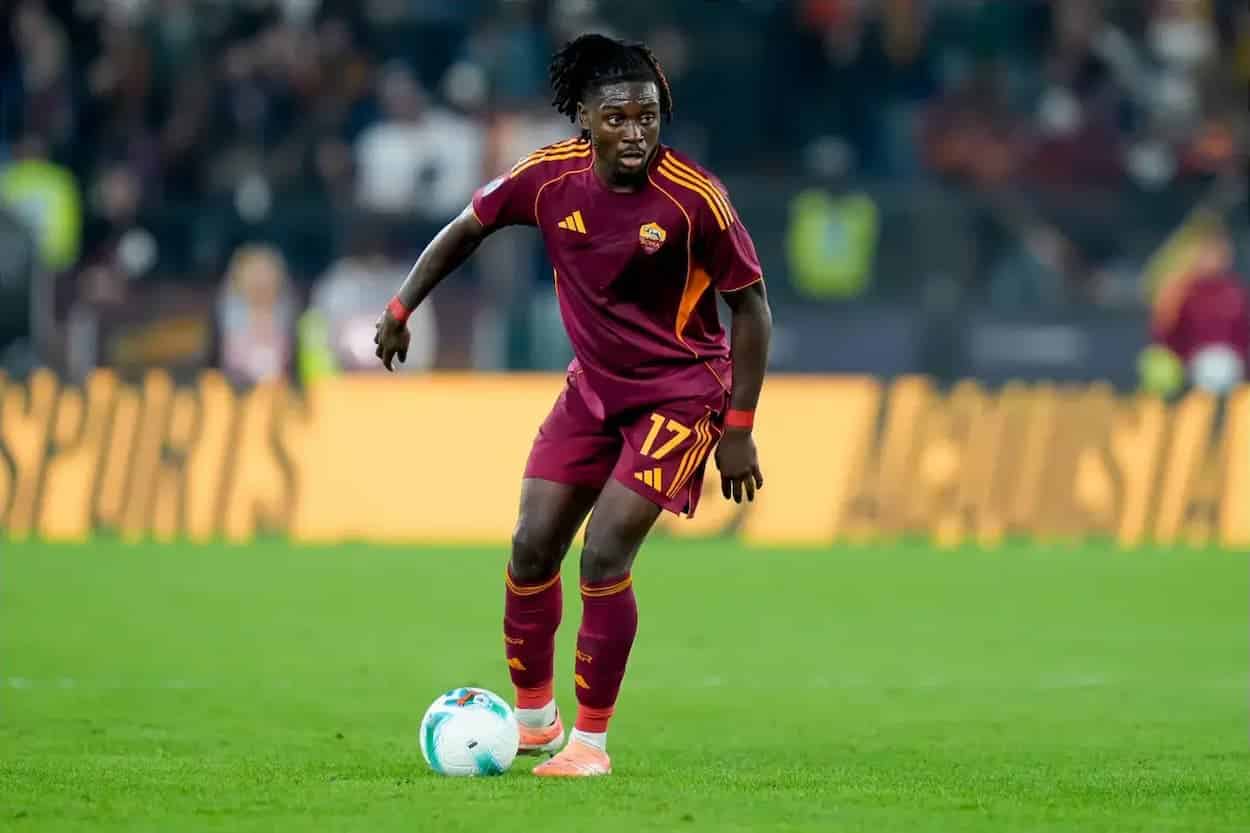
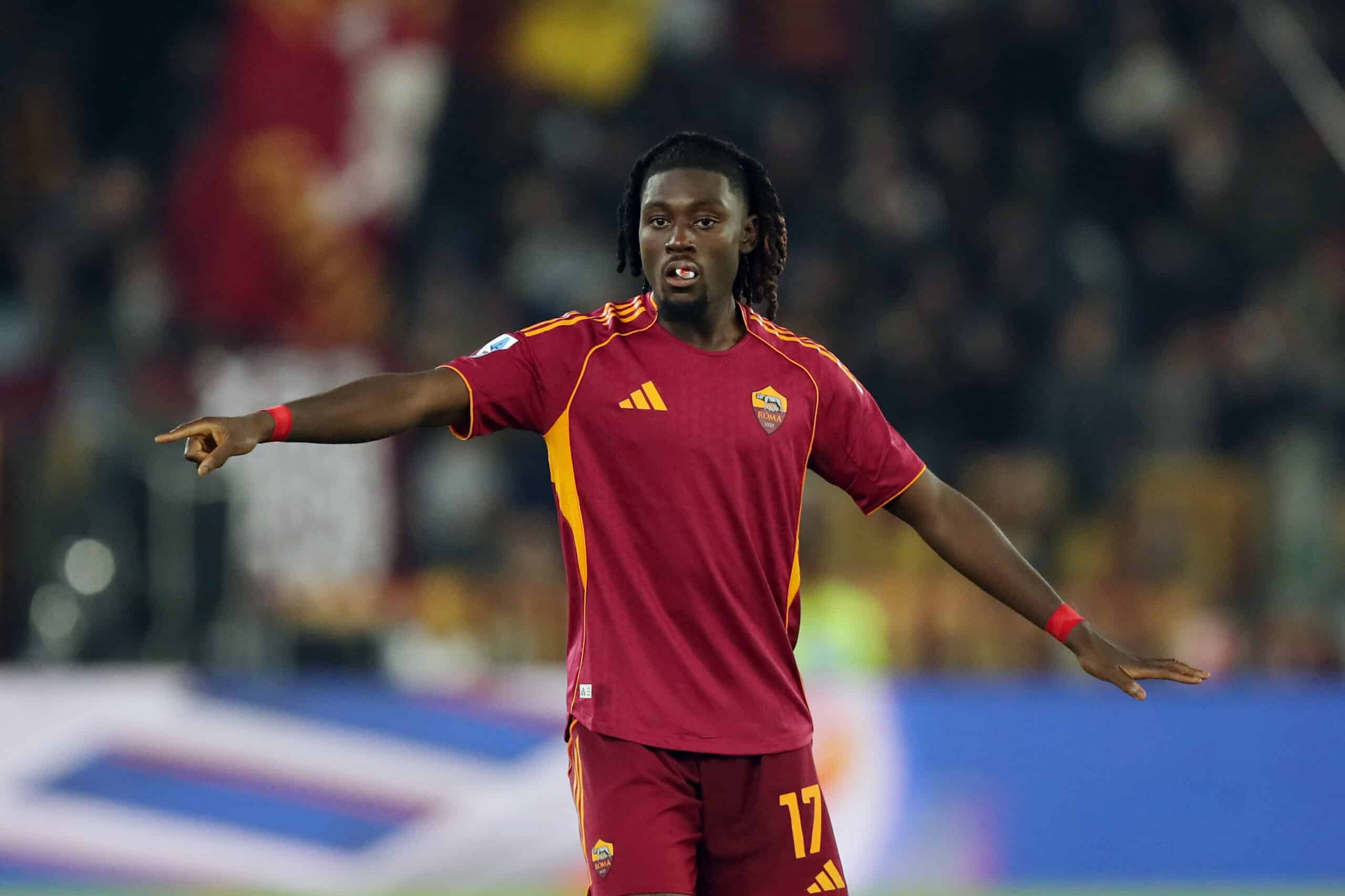
Gasperini has his usual recipe for success at his disposal; sprightly technicians in Matias Soule, Paulo Dybala and Lorenzo Pellegrini, aggressive full-backs in Wesley Franca and Zeki Celik, and a progressive, ball-playing back-three.
It is, however, missing one key component.
His Atalanta sides always had at least one player who was able to make their fearless style of play worthwhile, whether it be Ademola Lookman, Mateo Retegui or Duvan Zapata.
For all Roma’s efforts to find that spearhead, it continues to elude them. Although there have been glimpses of the LaLiga Golden Boot campaign of two years ago, Artem Dovbyk’s well-documented struggles since arriving in Italy are a far cry from the club’s expectations.
Suggestions have also been made that Roma are close to terminating Evan Ferguson’s loan deal, having managed just one goal in 10 appearances since arriving in the summer.
Matias Soule has shouldered the goalscoring responsibility from midfield this season with four goals, which is entirely unsustainable for a team with tentative title ambitions.
While the likes of Soule, Dybala and Pellegrini rank high individually for chances created, Roma as a whole are decidedly low on the charts.
With just 18 big chances created, they are all the way down in 14th, which pales in comparison to Milan’s 24 and Inter’s 43.
This low chance creation makes for a dangerous combination with Roma’s misfiring strikers, whose inability to take their chances is only compounded by fewer opportunities to do so.
Could Roma’s Defense Balance Out Their Goal Scarcity?
Italian football, perhaps more so than any other, has a history of adopting defensive stability as a means to winning the league.
Fabio Capello famously masterminded a Scudetto with AC Milan having scored just 36 goals in 34 games in 1993-94.
Of course, it is rare to have a quartet of Franco Baresi, Paolo Maldini, Mauro Tassotti and Alessandro Costacurt – all protected by Marcel Desailly in front – but just 15 conceded all season made up for their relative lack of goals.
Similarly, Cagliari brought an end to northern Italy’s dominance in 1970. Italy’s cast-aside provincial little brother even held funerals in the street for Juventus and both Milan clubs, as they conceded just 11 goals in 30 games.
These are out of the ordinary campaigns, but they do help to underline that Roma’s season can be shepherded by leaning into a strong defense.
Until such time that Gasperini’s strikers salvage their confidence, keeping their continent-leading defensive record intact will be pivotal. The January window has been suggested as an opportunity, as fans question how Gasperini can end Roma’s goalscoring dilemma, with the likes of Rennes’ Esteban Lepaul and Frankfurt’s Can Uzan among their chief targets.
It is testament to Roma’s evolution under Gasperini that they are still within four points of league leaders Napoli. But it is impossible not to postulate what could have been in games against Inter and Milan, where chances were abundant and six potential points went begging.
Charlie Rhodes
Charlie has built a deep portfolio across a wealth of sports websites, with a heavy focus on Europe's top five leagues. He has a long-standing interest in Serie A having grown up watching Football Italia on Channel 4 as a child. With extensive experience tailored towards news, long-form content and heavily researched features, Charlie has also garnered experience in several roles in the fintech and marketing sector.
Our unbiased editorial policy
Despite ongoing collaborations with commercial affiliates, the details, information, and reviews we provide remain honest and unbiased. We keep this in check by implementing a stringent editorial policy.
Our policy implements strict editorial standards, ensuring the integrity and trustworthiness of our articles, news, and reviews. Only the highest-quality content reaches our pages. We achieve this through conducting thorough research on each topic, conveyed to you using unbiased reporting, to ensure we earn your trust and keep it.