

How American Capital and Private Equity is Dragging Serie A Into the Spotlight
Rewind 20 years, and Serie A was overwhelmingly Italian-owned. Today, nearly half the league is controlled by foreign investors, with an overwhelming majority of those from the United States.
 Charlie Rhodes
Updated on 15 January 2026
Charlie Rhodes
Updated on 15 January 2026


Over 40 percent of owners in Serie A are North Americans – eight from the US, and one from Canada. FootItalia puts this phenomenon under the microscope to see why it’s an attractive league for investors in the region, and what it means for the future of club ownership in Italy.
Whether by sporting ambition or financial distress, Serie A has experienced an influx of foreign owners, particularly over the course of the last two decades.
The infiltration of overseas capital and non-native investors is nothing new in European football, but Serie A is unique in that nearly half of its owners are concentrated in one country.
American owners have begun the realise the commercial potential of European sports markets, but why is there such a large presence in Italy?
From teams near the summit to newly-promoted sides hoping to cement their positions in the top-flight, US capital is pushing Serie A from out the shadows and into a sleek, modern era.
A Visualisation of US Owners in Serie A
The interactive map below shows the nationality of the ownership under which each team currently operates.
The first American owner in Serie A was James Pallotta, who would inadvertently pave the way for a flurry of compatriots over the next 15 years.
He led a group that purchased Roma in 2012, and after selling his share in 2020, the club have since been successfully guided by multi-club owners The Friedkin Group – another American consortium.
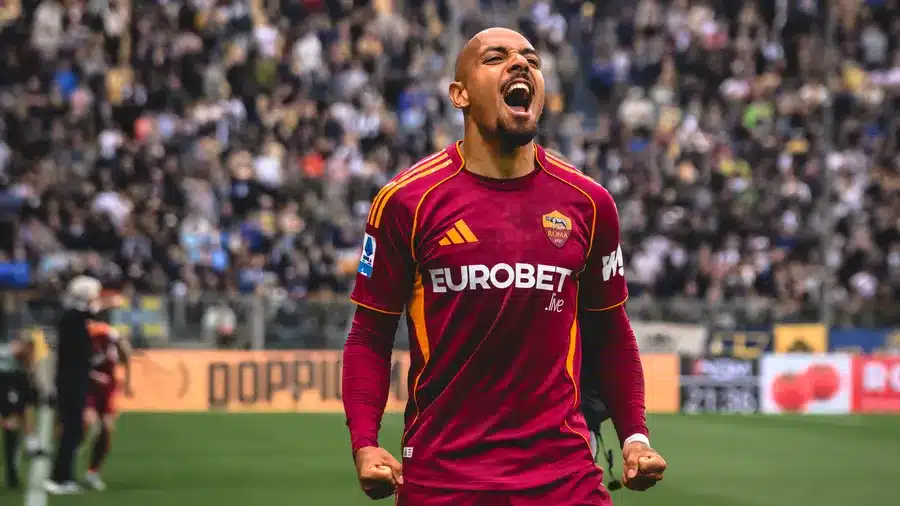
Roma are one of three clubs in the current top five that are American-owned, alongside both Milan clubs.
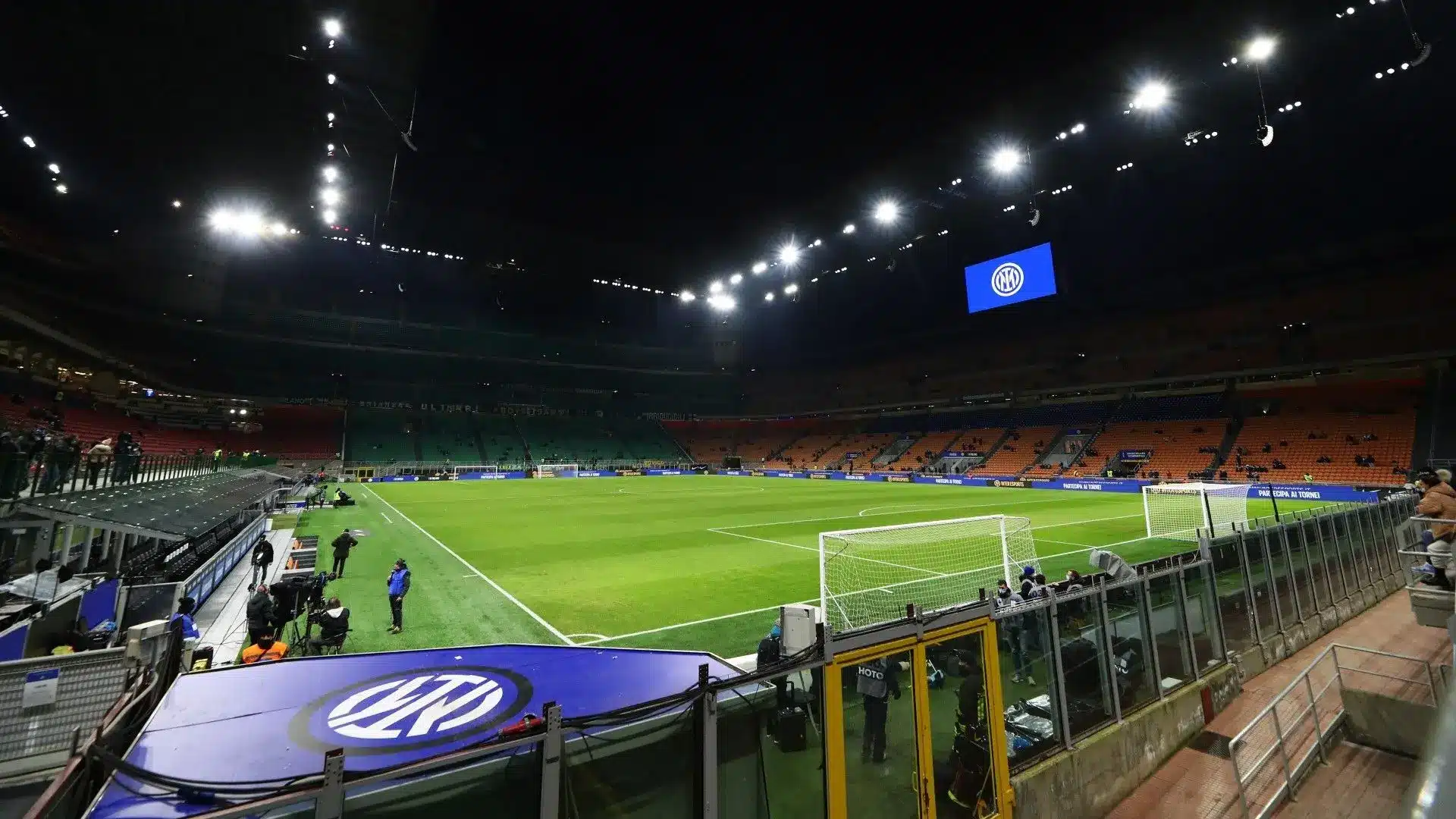
Interestingly, where Roma’s ownership was born out of sporting interest, both AC Milan and Inter were unintentionally taken over by US private equity firms – Redbird and Oaktree – after their previous owners defaulted on loans.
Problematic owners from Asia left both teams among the most debt-ridden Serie A clubs , which American capital management firms have restructured to great effect.
Even so, the vast majority of US-backed takeovers have been with genuine intention to raise the bar, both commercially and on the pitch.
Having been at the very pinnacle of the continent’s football, the charm of Italy’s top-flight dwindled quickly following a series of scandals – not least the Calciopoli ordeal which saw Juventus stripped of their title and relegated to Serie B in 2006.
Italian football was damaged goods, and local investors deemed it not worth their money, nor effort. As for a select few entrepreneurial prospective buyers from overseas, this opened the door for a low-cost, potentially fruitful opportunity to revive a sleeping giant.
It is interesting to note that while Italian clubs are among the successful in Europe, they offer a much cheaper route into ownership. Not one Italian team can be found in Forbes’ top 10 most expensive clubs for 2025.
It is, therefore, not the richest league in Europe, but it is certainly one of the most undervalued.
In step American investors.
| Club | Ownership Type | Owner | Nationality |
| AC Milan | American-owned | RedBird Capital | 🇺🇸 USA |
| Inter Milan | American-owned | Oaktree Capital | 🇺🇸 USA |
| Juventus | Italian-owned | Agnelli Family (Exor) | 🇮🇹 Italy |
| Torino | Italian-owned | Urbano Cairo | 🇮🇹 Italy |
| AS Roma | American-owned | The Friedkin Group | 🇺🇸 USA |
| Lazio | Italian-owned | Claudio Lotito | 🇮🇹 Italy |
| Napoli | Italian-owned | Aurelio De Laurentiis | 🇮🇹 Italy |
| Atalanta | American-owned | Stephen Pagliuca / Percassi | 🇺🇸 USA |
| Fiorentina | American-owned | Rocco Commisso | 🇺🇸 USA |
| Bologna | Other Foreign | Joey Saputo | 🇨🇦 Canada |
| Genoa | American-owned | 777 Partners | 🇺🇸 USA |
| Hellas Verona | American-owned | Presidio Investors | 🇺🇸 USA |
| Udinese | Italian-owned | Giampaolo Pozzo | 🇮🇹 Italy |
| Lecce | Italian-owned | Saverio Sticchi Damiani | 🇮🇹 Italy |
| Cagliari | Italian-owned | Tommaso Giulini | 🇮🇹 Italy |
| Como 1907 | Other Foreign | Djarum Group | 🇮🇩 Indonesia |
| Parma | American-owned | Krause Group | 🇺🇸 USA |
| Sassuolo | Italian-owned | Mapei (Squinzi Family) | 🇮🇹 Italy |
| Pisa | American-owned | Alexander Knaster | 🇺🇸 USA |
| Cremonese | Italian-owned | Giovanni Arvedi | 🇮🇹 Italy |
Is the Increase of US Owners in Serie A a Positive Thing?
Given only a selected few Italian investors had been keen to take a chance on a broken league, foreign investment was vital for the long-term future of Serie A.
A select few Italian owners have remained a constant – not least the Agnelli family, who recently managed stave off cryptocurrency giant Tether’s $1.2bn bid to buy Juventus, to keep their unbroken 103-year tenure intact.
US investment has accelerated the modernisation of Serie A, with heavy investment allowing projects like Roma’s new stadium to come to life. This will unshackle the club from paying a lease to the city council, and ultimately place the control of matchday revenue firmly in their hands.
American investors have also taken up the mantle of fixing Serie A’s debt problem. While the likes of AC Milan owners Redbird capital were initially investors for a previous owner, they have now restructured the club’s outstanding payments.
Not only that, but Redbird have implemented a data-driven, sustainable ‘moneyball’ approach to push Milan forward into the future, with the focus no longer on frivolous spending but instead on identifying undervalued young talent and building infrastructure.
The same can be said of city rivals Inter, with global investment company Oaktree Capital Management taking over the reins after the Suning Group defaulted on a €395 million loan in 2024.
Oaktree’s focus is very much on long-term sustainability and ensuring finances remain in the balance, as opposed to the aggressive spending under Steven Zhang that ravaged Inter’s cash flow.
While they were hugely successful under the Suning Group having lifted their first Scudetto in 11 years, spending beyond their means ultimately forced them into a frugal period, where selling their biggest assets became the priority.
The purchase of the land from the city council, and the plans to build a new San Siro, would likely not have been possible without US owners steadying the ship in Milan.
In that respect, US investors have shown themselves to be more reserved than most, instead focusing on securing the long-term future of their clubs, building revenue-generating infrastructure and remedying a league that had been rife with mounting debt.
Why Italy is Sceptical of American Owners
In comparison to more attractive sporting investment opportunities such as US franchises and Premier League teams, Serie A clubs offer a cheaper, more accessible route into ownership.
Serie A, however, still lags someway behind these leagues when it comes to sponsorship, commercial deals and broadcasting.
Outdated infrastructure and a resolutely ‘Italian’ bureaucracy makes it hard to generate large amounts of revenue, and fast.
That ultimately breeds a scenario whereby owners may get impatient, leading to cost-cutting measures and profit-churning initiatives, which may begin to squeeze and alienate local fans.
Scepticism of American investment is clear to see across the continent, given Europe, and in particular Italy, have deeply ingrained cultures surrounding clubs and leagues.
Investors are ultimately business-first, money-driven. While there is ambitions to improve results, it is with a view to driving revenue.
Italian fans are inherently fervent, and may quickly been turned off by Americanised data-driven approaches that prioritise efficiency over the values and history of a team.
Charlie Rhodes
Charlie has built a deep portfolio across a wealth of sports websites, with a heavy focus on Europe's top five leagues. He has a long-standing interest in Serie A having grown up watching Football Italia on Channel 4 as a child. With extensive experience tailored towards news, long-form content and heavily researched features, Charlie has also garnered experience in several roles in the fintech and marketing sector.
Our unbiased editorial policy
Despite ongoing collaborations with commercial affiliates, the details, information, and reviews we provide remain honest and unbiased. We keep this in check by implementing a stringent editorial policy.
Our policy implements strict editorial standards, ensuring the integrity and trustworthiness of our articles, news, and reviews. Only the highest-quality content reaches our pages. We achieve this through conducting thorough research on each topic, conveyed to you using unbiased reporting, to ensure we earn your trust and keep it.